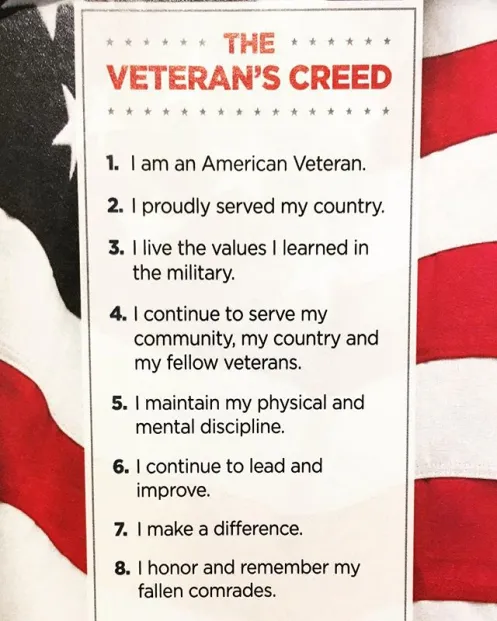
From the Department of Veterans Affairs (VA) website

Veterans Day 2019 is on Monday, November 11, 2019. This Veterans Day discounts list will continue to be updated as we learn of more nationally available Veterans Day discounts, meals, or other ways businesses and organizations want to give back to Veterans. These Veterans Day discounts, free meals and other programs are being shared so that Veterans, their families, caregivers, and survivors are aware of all resources available to them.
Check out this year’s discounts
VA Disclaimer: The sharing of any non-VA information does not constitute an endorsement of products and services on part of the VA. Verify information with the organization offering.
From the Travel Channel website

From the Tamara’s Journeys blog site
From rundown prisons to defunct hospitals to hotels with resident ghosts, discover the creepiest spot in your state…if you dare

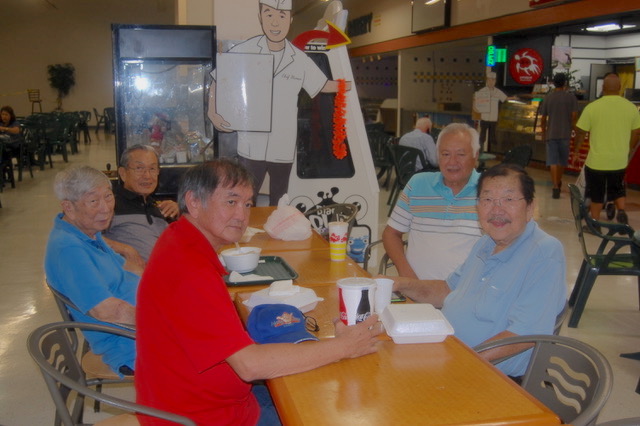
Retirees of the Headquarters, 201st Combat Communications Group meet occasionally for lunch. Around the table in the photograph are: Miles Tamura (in red), Roy Iwamoto, Carl Nakamura, Bacilio “BJ” Juarez, and Calvin Chow.

From the U.S. News & World Report website
Moving elderly parents into your home can bring daunting challenges and unexpected closeness. Over the past 20 years, parents living with their adult children has become increasingly common.
From The New York Times website

Ed Goldman, a retired bookbinder who says he’s “pushing 80,” does not let his age or enlarged prostate curtail his physical activities and desire to travel. He walks the streets of his beloved New York for about two miles a day, five or more days a week, and knows every possible bathroom stop along his usual routes.
When arriving in foreign territory, he immediately checks out the location of lavatories to avoid an embarrassing accident. “The urgency, when it hits, can be pretty scary,” he told me.
Off the 111th Army Band Facebook page

After the recent Hawaii Army National Guard Change of Command, BG Kenneth Hara and BG Moses Kaoiwi took the stage to sign with the musical group Na Koa. Both generals grew up in Hilo and they sang the Hawaii Island song, Hilo March.
In this photograph are (L-R): SPC Kameron Omizu (bass), SGT Jeffrey Domingo (keyboards), BG Kenneth Hara (singing), SSG Bryan Sanchez (drums), BG Moses Kaoiwi (singing), and CW4 Jeremiah “JP” Paragon (guitar).
Joseph Kapaeau Ae‘a, a member of the Royal Hawaiian Band composed the song in 1881, and bandmaster Henry Berger arranged it as a march. It has been adopted as the island song of the Big Island, Hawai’i.

As people age and their mental capacities decline, they can often be targeted by scammers seeking easy cash. But more often than not, this “financial abuse” comes not from a stranger, but from a trusted family member, research from the University of Southern California (USC) shows.

The aches, the sneezing, the sore throat, the exhaustion — flu season is here and you want to be prepared.
Typically, the “season” starts in October, but there has already been flu-related deaths reported. Physicians say it’s not too early to get a flu shot and they are available at many pharmacies and doctor’s offices around the country.
From the Hawaii News Now website

Former University of Hawaii receiver Britton Komine, now a major with the Hawaii Air National Guard, was the pilot who flew the C-17 during the flyover before kickoff against Air Force. The Nick Rolovich Show featured a segment about Komine and his Air Guard career after his graduation.

Your sister took one because she’s filling in your family tree. Your friend took one to find out if he’s at risk for Alzheimer’s. And your mom took one because she got it as a gift. The popularity of at-home DNA tests has exploded in the past few years. But are they all they’re cracked up to be? Certified genetic counselor Lila Aiyar explains what works, what doesn’t, and when to see a genetic counselor.
Island Scene is the quarterly magazine of the Hawaii Medical Service Association (HMSA). Please note that DNA testing is not a benefit of HMSA plans.
From the Air Force Times website

The Air Force will move to a new system of “indefinite enlistment” for airmen with at least 12 years of service on November 18, service officials confirmed Friday after a leaked memo appeared online Wednesday evening.
Under the new system, airmen who hit 12 years time-in-service will now automatically have their enlistments extended to their rank’s high year of tenure mark. They can apply to retire once they become eligible, or separate before becoming retirement-eligible, when they wish, as long as they don’t have an active-duty service commitment.
Thanks to Gordon Lau for emailing this article to Retiree News
From the Hawaiian Airlines website

Poke’s come a long way from its origins in pre-contact times, when ancient Hawaiians feasted on freshly caught fish massaged with sea salt, seaweed and crushed inamona or kukui nuts. Today poke shops are popping up from Los Angeles to Kansas City to New York. But what of poke in the Islands? Where has poke’s path taken this iconic dish?
Poke’s evolution has been fairly straightforward: Changes mirror the tastes of new arrivals. When ships from the West Coast dropped anchor in local ports, sailors traded salmon for salt. Waves of immigrants from China and Japan introduced soy sauce and sesame oil. Just as each group has added its dishes to Hawaii’s culinary melting pot, selections of poke have multiplied. Visit any poke counter today and you’ll find not just ahi limu (seaweed) and spicy ahi poke, but kimchee shrimp, furikake salmon, miso tako (octopus), pipikaula (dried beef) and even bacalao poke made with Portuguese dried salt cod.
That’s all at supermarkets and poke shops. What about at restaurants, where poke appears on plate lunches, prix fixe tasting menus and everything in between? Here’s a glimpse of poke in its myriad forms today.