From the U.S. News & World Report website
An executor is someone named in a will, or appointed by the court, who is given the legal responsibility to take care of a deceased person’s remaining financial obligations. This means taking care of everything from disposing of property to paying bills and taxes. Most executors are immediate family members, with spouses, children and parents being the most common executors
If you’ve been named executor of an estate, you carry the burden of a variety of duties and legal responsibilities, including filing and paying remaining local and federal taxes, assessing the worth of assets, distributing property and sending records to beneficiaries. While you may feel privileged to be trusted to settle the affairs and fulfill the wishes of the deceased, to steer clear of common headaches and minimize hurdles, it’s critical to stay prepared and organized.
If you’re wondering what’s in store – and how to settle an estate strategically – here’s what you need to know.

From the Task and Purpose website

US Air Force Photograph | click to enlarge
Brace yourselves: the Air Force’s newest gunship is officially on the prowl downrange.
The AC-130J Ghostrider gunship flew its first combat mission in Afghanistan in late June, deploying to relieve the AC-130U Spooky aircraft following the latter’s final combat sorties, an Air Force Special Operations Command spokesman confirmed to The War Zone on Wednesday.
According to The War Zone, the 73rd Special Operation Squadron at Hurburt is currently flying the Ghostrider in Afghanistan, likely in a close air support or armed overwatch capacity
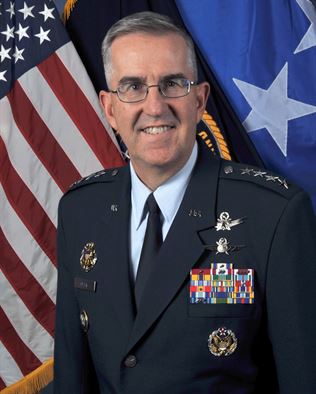 A senior military officer has accused the Air Force general tapped to be the next vice chairman of the Joint Chiefs of Staff of sexual misconduct, potentially jeopardizing his nomination. Members of Congress have raised questions about the allegations and the military investigation that found insufficient evidence to charge him.
The officer told The Associated Press that Gen. John Hyten subjected her to a series of unwanted sexual advances by kissing, hugging and rubbing up against her in 2017 while she was one of his aides. She said that he tried to derail her military career after she rebuffed him.
The Air Force investigated the woman’s allegations, which she reported days after Hyten’s nomination was announced in April, and found there was insufficient evidence to charge the general or recommend any administrative punishment. The alleged victim remains in the military but has moved to a different job.
 Created in 1965, Medicare is a public healthcare program for people over 65, as well as those enrolled in Disability Insurance and those with end-stage renal disease. Medicare began with two areas of coverage – hospital insurance (Medicare Part A) and medical insurance (Medicare Part B). In the 1980s, Medicare Part C, also known as Medicare Advantage, was added as an alternative to traditional Medicare. In 2006, outpatient prescription drug coverage was added under Medicare Part D.

Hawaii Air National Guard Photograph | click to enlarge
This undated photograph shows the inside of the 154th Wing compound near the supply gate.

The latest shutdown of a self-labeled veterans support organization comes against the backdrop of repeated warnings from the federal government, state attorneys general and watchdog groups to beware of groups who bilk the public out of millions by playing to the desire to help veterans.
On July 6, the “Put Vets First! PAC” filed a notice of termination with the Federal Election Commission amid allegations that the vast majority of the more than $4.8 million raised by the political action committee went for telemarketing and salaries, rather than to back veterans issues.

When is Alzheimer’s disease not Alzheimer’s disease? It’s a riddle that finally has an answer.
Researchers recently pinpointed another form of cognitive decline with many of the same hallmarks as Alzheimer’s, but which actually involves different brain processes.
This newly discovered dementia may partly explain why some people haven’t been helped by current Alzheimer’s drugs or why some drugs being tested haven’t been as successful as scientists have hoped.
The disorder, dubbed “LATE,” stands for limbic-predominate age-related TDP-43 encephalopathy. Like Alzheimer’s, LATE affects short-term memory and causes cognitive impairment. It also shares some of the same disease traits as frontotemporal dementia.
 The Retiree News webmaster ran into two Hawaii Air National Guard retirees at a recent wedding celebration.
Daniel and Robyn Rose both served in the 154th Wing – the Chief in the maintenance complex and Robyn with the 154th Communications Squadron.
Dan continues as a contractor running the KC-135 simulator on Hickam Field. Robyn recently started as contractor at Hq, Pacific Air Forces after graduating with her bachelor’s degree.
Earlier Retiree News posts about Dan and Robyn.
 After you turn age 70½, you need to start taking required minimum distributions from your IRAs and 401(k)s every year. But the calculations and rules can be complicated, and you’ll be hit with a penalty if you make mistakes.
 Not long ago, when I interviewed one of the leading experts on “sitting disease” — the buzzy catch phrase that’s been attached to physical inactivity for the past few years — he walked in place on his treadmill desk while we chatted by phone. The irony wasn’t lost on me: I was sitting idly at my desk while writing an article about the health problems associated with sitting idly at desks. Meanwhile, the expert in the know was staying active, even though he had a desk job.
I recently added a treadmill desk to my office, which I fashioned myself out of a regular treadmill and some supplies from the hardware store. It’s empowering to work while walking at 1.6 miles per hour, knowing that I’m taking care of my health.

Hawaii Air National Guard Photograph | click to enlarge
The 199th Fighter Squadron joined the jet age in 1954 when it finally retired its aging Thunderbolts for F-86E Sabre day fighters that were made available after serving in combat over the skies of Korea. The squadron stood runway alert as part of the air defense forces in Hawaii beginning in 1954, having alert pilots in the cockpit from 30 minutes before sunrise to 30 minutes after sunset each day.
This undated photograph shows aircrew attending a ground school class on the F-86 fuel system.
Beginning in 1958, the squadron received F-86L Sabre Interceptors which could be controlled by Ground Control Interceptor station radar and could operate 24/7/365 in all weather conditions. (Wikipedia)
Can anyone identify the two pilots in the photograph?
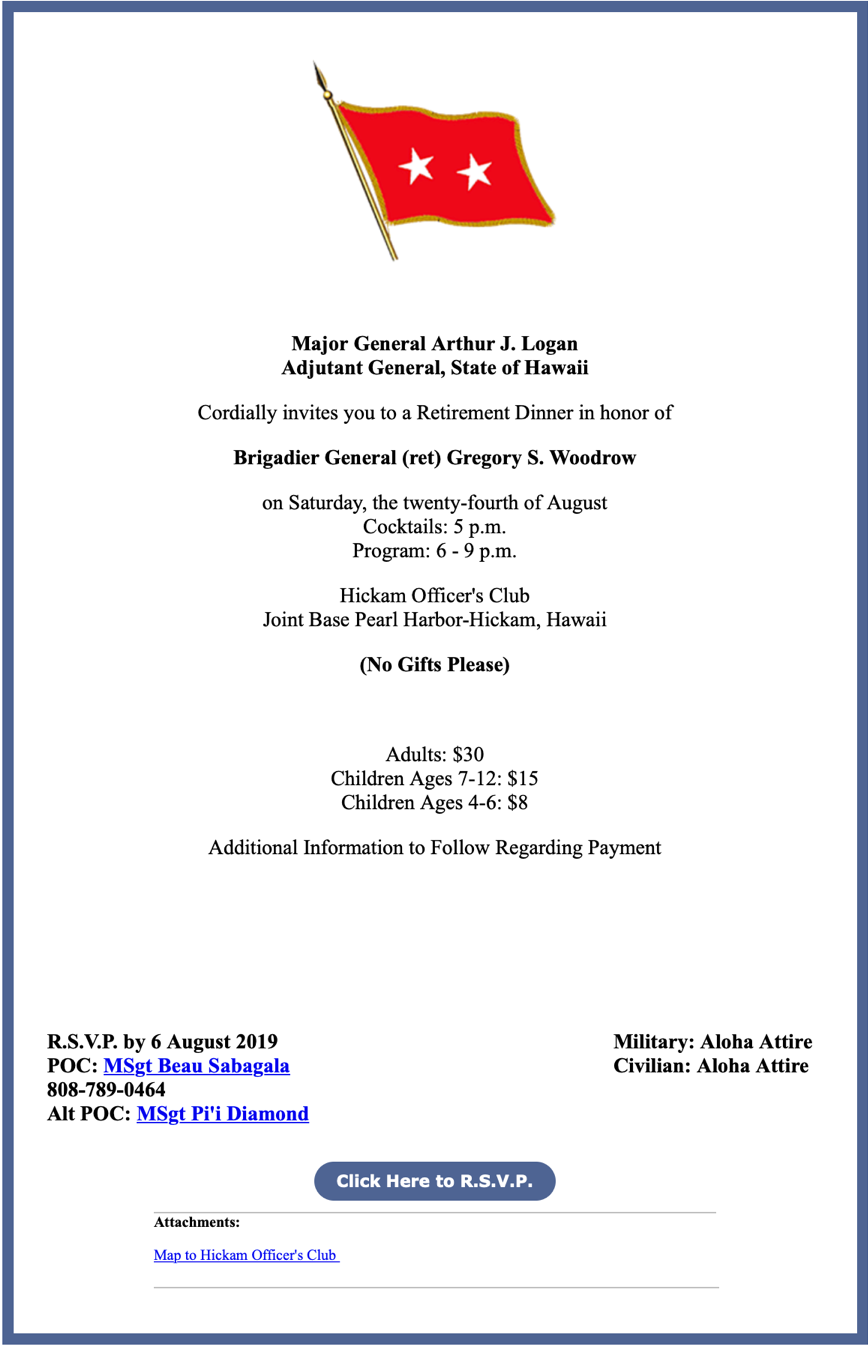
If the RSVP link above does not respond, click here
From the Everyday Health website

Under normal circumstances, blood clots can be helpful. For example, when you get hurt, your body forms a blood clot to stop the bleeding. After healing takes place, your body breaks down the clot and removes it. But sometimes this process goes wrong. Some people get too many blood clots, and other people have blood that clots in an unusual way. The end result: venous thromboembolism (VTE), a disorder that affects between 300,000 to 600,000 Americans each year.
Without proper treatment, VTE can block blood flow and oxygen to parts of your body. This can cause serious damage to your tissues and organs, or even death. The good news is that you can reduce your risk of VTE through lifestyle changes and medication when appropriate.
Here are five facts that doctors wish everyone knew about VTE: