

The Kūkā‘ilimoku is the official e-newsletter of the 154th Wing, Hawaii Air National Guard. The first issue came in September 1957 and continues as an e-newsletter today.
Today we feature the March 1996 Kūkā‘ilimoku issue. This issue includes the following stories:
* 154th Wing Returns to Operation Provide Comfort II
* Hawaii Air National Guard Award Winners
* Pacific Air Forces Quality Air Forces Assessments
* LG News and Views
* Sports News
* 154th Wing Cultural Survey Results

Many homeowners have seen their property values shoot up as the pandemic sparked a frenzied housing market. If you’re envisioning big proceeds when you sell your house, rising home prices are a cause for celebration.
But you may not feel like popping the champagne when you get your property tax bill. As home prices climb, property taxes follow suit. Your tax bill is determined by multiplying your home’s assessed value by the local tax rate.
Homeowners will see higher taxes in 2022 and beyond as localities reassess property values, although the pain should ease as price appreciation slows. Kiplinger expects housing demand to cool, with home prices lifting by 3% in 2022. And keep in mind that local tax rates affect your bill, too. If your municipality lowers rates to provide relief or stay within required levels, your bill may fall or show only a modest increase.
But if your property tax bill has increased significantly, you may have grounds for an appeal, particularly if the increase seems out of line with overall appreciation in your area.
Most jurisdictions give you 90 days after you receive a new assessment to appeal, although some close the appeals window after 30 days, says Pete Sepp, president of the National Taxpayers Union. Some lawyers handle property tax appeals on a contingency basis, but most homeowners can appeal on their own, Sepp says.
Plenty of property owners challenge their assessments each year, and between 20% and 40% of them win lower assessments and lower property tax bills. The following steps will show you the way to success.
From the U.S. News & World Report website
From pain relief to disease prevention
It’s familiar, available over the counter, inexpensive and versatile. Aspirin, a salicylate drug, is also the veteran in the class of nonsteroidal anti-inflammatory drugs. These days, however, most people reach for newer NSAIDs like ibuprofen or take acetaminophen (Tylenol) to ease pain or reduce fever.
Aspirin’s anti-clotting action and preventive properties may be its most enduring benefits. An influential health panel, the U.S. Preventive Services Task Force, recommends that certain adults take low-dose aspirin to prevent heart disease, stroke, pregnancy complications and colorectal cancer.
However, some recommendations were recently narrowed because of aspirin’s major side effect: internal bleeding. Aspirin isn’t for everyone. Here’s what you should know about aspirin’s pros and cons:
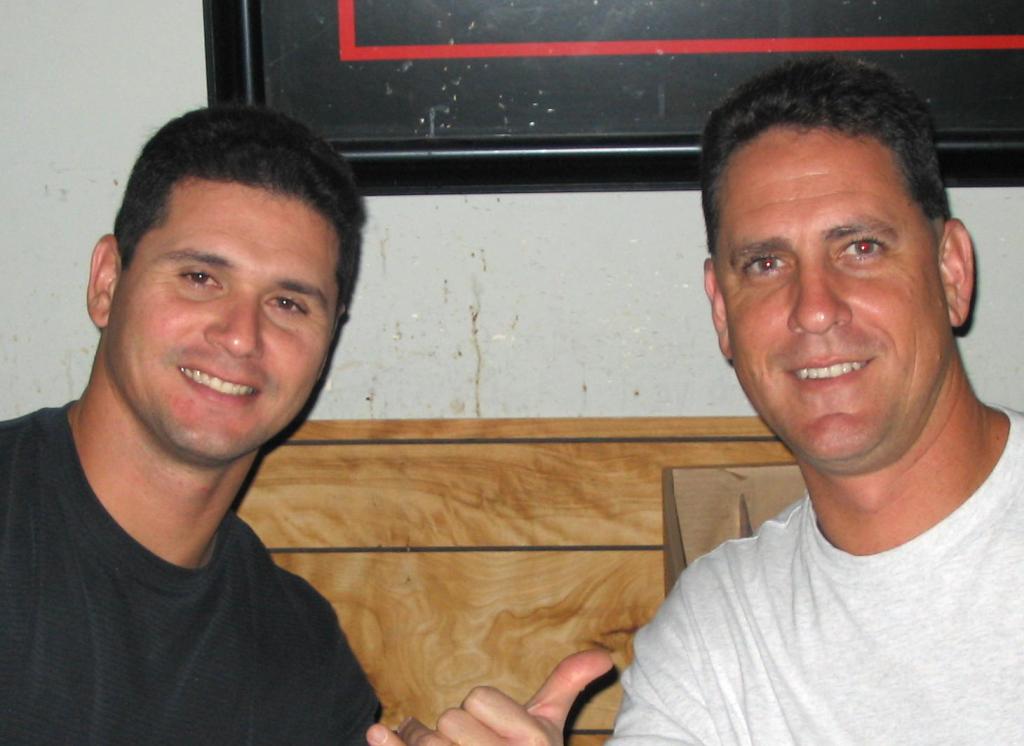
This photograph was taken on January 9, 2005 at Jon Iwashita’s retirement party. The photograph show two technicians Richard Costa Jr. and Robert Joy, Jr.
Both Rich and Rob started in the maintenance complex and later crosstrained into mission support positions. Rich worked in the Military Personnel Flight for many years before moving to Headquarters, Hawaii Air National Guard, where he continues to serve. Rob worked in training in the MPF for several years before his retirement.

The Kūkā‘ilimoku is the official e-newsletter of the 154th Wing, Hawai’i Air National Guard. The first issue came in September 1957 and continues as a monthly newsletter today.
Today we feature the March 2007 Kūkā‘ilimoku issue. This issue includes the following stories:
* Cope Tiger Exercise – great photographs
* Senior Enlisted Leadership Conference
* Promotions: including Richard Costa, Theron Buyuan
* Sports News
* Women’s History Month
* Unit Compliance Inspection preparation
From the National Guard website
Army Gen. Daniel Hokanson’s stop in Guam was part of a Pacific itinerary that included visits with Hawai‘i Guardsmen and senior leaders at U.S. Indo-Pacific Command. Missions fulfilled by Guam and Hawai‘i Guard members support their territory and state – and the combatant commander’s priorities and the nation’s strategic objectives.
I’m in the car with my husband when my sports watch vibrates. On the display is a crude stick figure jumping up and down.
Stop the car!” I cry out, jokingly. “I have to do some jumping jacks!” We both laugh, and he does not stop the car. I’m compulsive, but I’m not THAT compulsive.
While I do ignore my watch’s intermittent entreaties to stop whatever I’m doing and jump around, I don’t ignore my body. Most days I get in somewhere 8,000 and 10,000 steps (around 7,000 is the suggested number for good health).

In September 2009, the Hawai‘i Air National Guard’s Royal Guard participated in the annual Aloha Festivals Parade. The Royal Guard were the parade’s color guard unit. Marching in the color guard that day were (L-R) Melvin Salangdron, Prescott Looney, Thomas Mahi, Kirk Liu.
Since the Royal Guard has participated in public events since the the start of their recreation in 1963. Mahalo to all Royal Guard members who served of the past 59 years.
Thanks to Ramon “Maui” Quizon for identification assistance.
Off the Hawaii Adjutant General’s Facebook page

Brig. Gen. Moses Kaoiwi, Jr., and Command Sgt. Maj. James Jimenez presented awards to outstanding Soldiers and Airmen following the Hawai‘i National Guard Joint Task Force reducing their COVID-19 operations. Our HING members have served Hawai‘i tirelessly during the pandemic, with many on orders for more than a year and the recognition of their efforts is well-deserved.
From the Wired Magazine website
President Joe Biden yesterday issued an executive order that could lead to the US creating a digital currency.
“My Administration places the highest urgency on research and development efforts into the potential design and deployment options of a United States CBDC [Central Bank Digital Currency],” the executive order said. “These efforts should include assessments of possible benefits and risks for consumers, investors, and businesses; financial stability and systemic risk; payment systems; national security; the ability to exercise human rights; financial inclusion and equity; and the actions required to launch a United States CBDC if doing so is deemed to be in the national interest.”
Choosing when to collect your Social Security benefits can have a large impact on your standard of living in retirement, especially if you didn’t save enough on your own. According to the Social Security Administration, Social Security benefits represent 30% of retirement income for the elderly. Deciding when to collect is a complicated task — you’ll have to consider factors like your spouse, your other sources of retirement income, your health status and the cost of Medicare deductions.
Online tools, however, exist to make that task a little bit easier. There are a number of free and paid services out there to help people figure out when to collect their benefits.
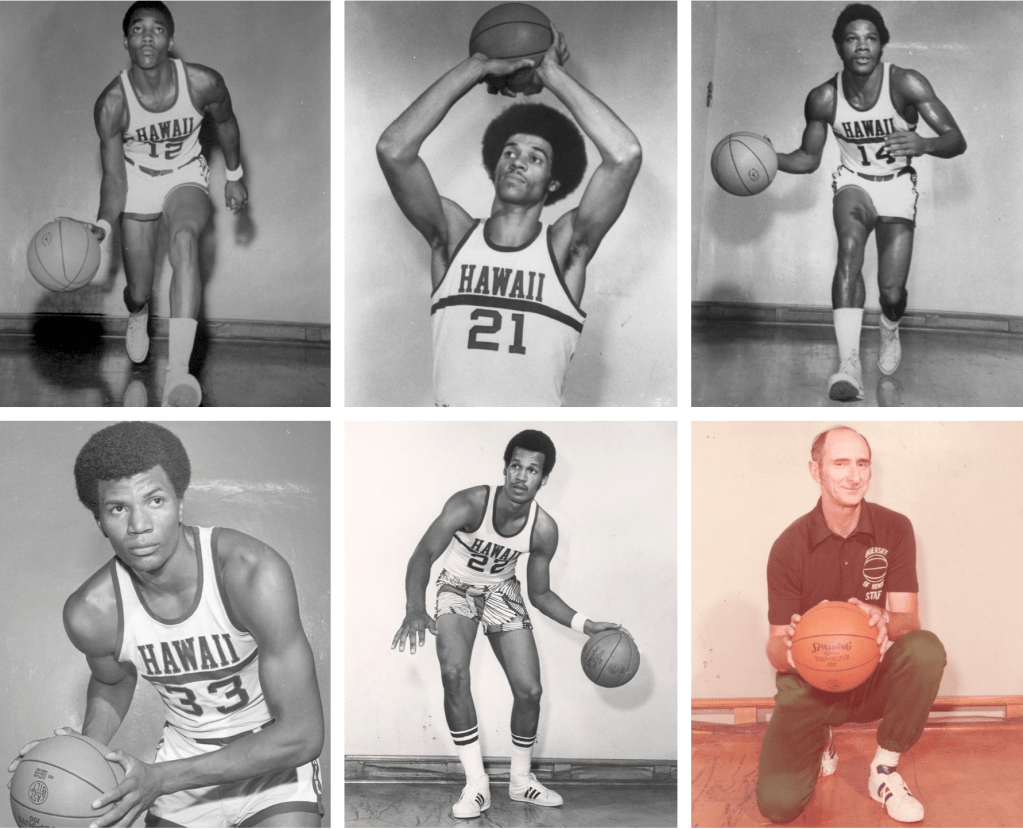
From the Hawaii Athletics website
Last month, the University of Hawai‘i, Mānoa celebrated their basketball program’s “Fabulous Five”. Fifty years ago, these five players led the Rainbow team to two highly successful seasons. The following story, written by Lance Tominaga, was posted on the Hawai‘i Athletics website. His story provides a summary of the Fabulous Five era.
There is a Hawai‘i National Guard connection: John Penebacker was a 6’2″ Air Force veteran who played center on the team. He later became a member of the Hawai‘i Army National Guard, and quickly rose through the ranks. Years later, he retired as a colonel.
The University of Hawai‘i basketball program’s “Fabulous Five” era lasted just two seasons – 1970-71 and 1971-72 – but, oh, what an era it was.
Al Davis. Jerome Freeman. Dwight Holiday. Bob Nash. John Penebacker. These five young men came to the Islands and, along with their teammates and their head coach, Red Rocha, put Rainbow Warrior basketball on the college basketball map. Their accomplishments included a number of notable firsts: the program’s first postseason appearance, its first win over a ranked opponent, its first Rainbow Classic championship and its first national ranking.
This year, we celebrate the 50th anniversary of perhaps the Fabulous Five’s crowning achievement: Hawai‘i’s first-ever NCAA Tournament appearance.
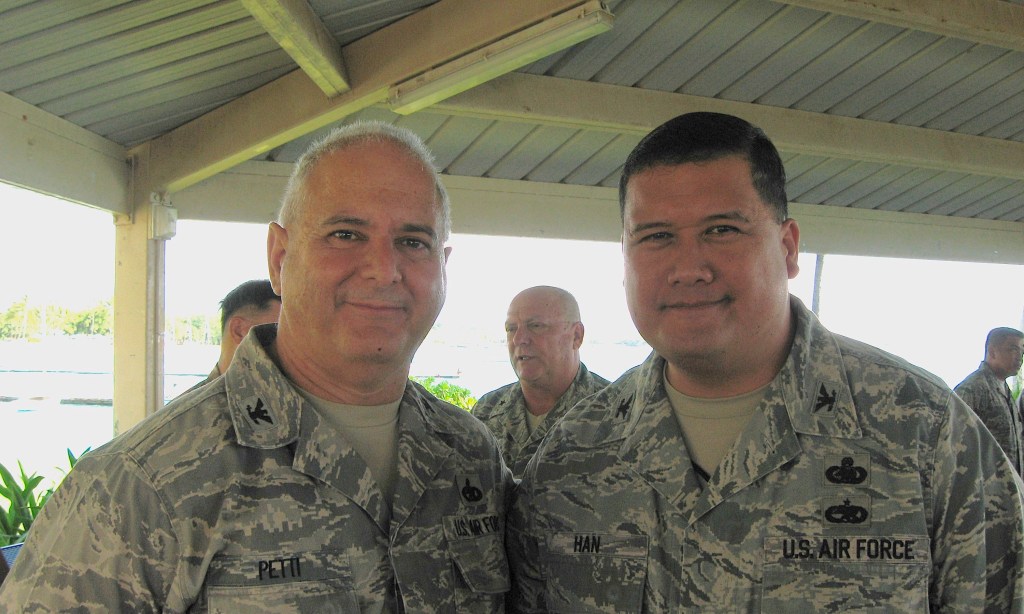
This photograph show William Petti and Ronald Han, with Stanley Osserman in the background. They were attending the chief master sergeant promotion ceremony of Ray Duropan. The ceremony took place on December 2, 2009.
Approximately 20% of the American population is retired, which amounts to close to 66 million people. Despite the large retiree market, however, there has been relatively limited venture capital investment in new tools and services to help with “decumulation.”
Decumulation is the phase of life when retirees must manage drawing down their nest egg and try to avoid running out of money.

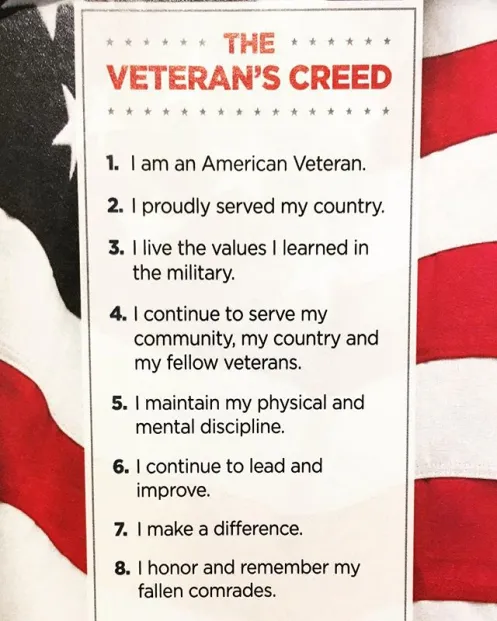
 Retiree News