
Off the Hawaii Air National Guard Facebook page

Who do the pilots of exercise Sentry Aloha-21 depend on for mission success? Operating behind the scenes are the 154th Operations Support Squadron’s airfield management specialists. This small group of mission-critical service members helps to ensure the safety and success of HIANG flights operating out of Hickam Airfield and Daniel K. Inouye International Airport.
But who the FOD cares? Airfield management specialists do! They clear the runway and taxiway of Foreign Object Debris which include everything that could pose a danger to an aircraft. This includes rocks and pebbles, aircraft parts, lost objects and the occasional dead animal. When the going gets tough, AMS personnel drop the shovels and utilize a tarmac sweeper or a tool they call the ‘FOD BOSS’ to quickly remove debris and get the job done.
More photographs by SrA Robert Cabuco

Despite the assurance of death as the end point of life, I started to wonder what the healthiest attitude is to take regarding it. Is ignoring it acceptable, while staying in the moment and living day-by-day? Or if one comes to grips with death, what realizations happen?
Authors and palliative care specialists whom I interviewed recommend that coming to terms with death and planning for it are the healthiest options. Avoidance of death’s inevitable reality is sheer escapism and holds people back from preparing for it. Yet spending too much time dwelling on death is often counterproductive.
Off the Hawaii Adjutant General’s Facebook page
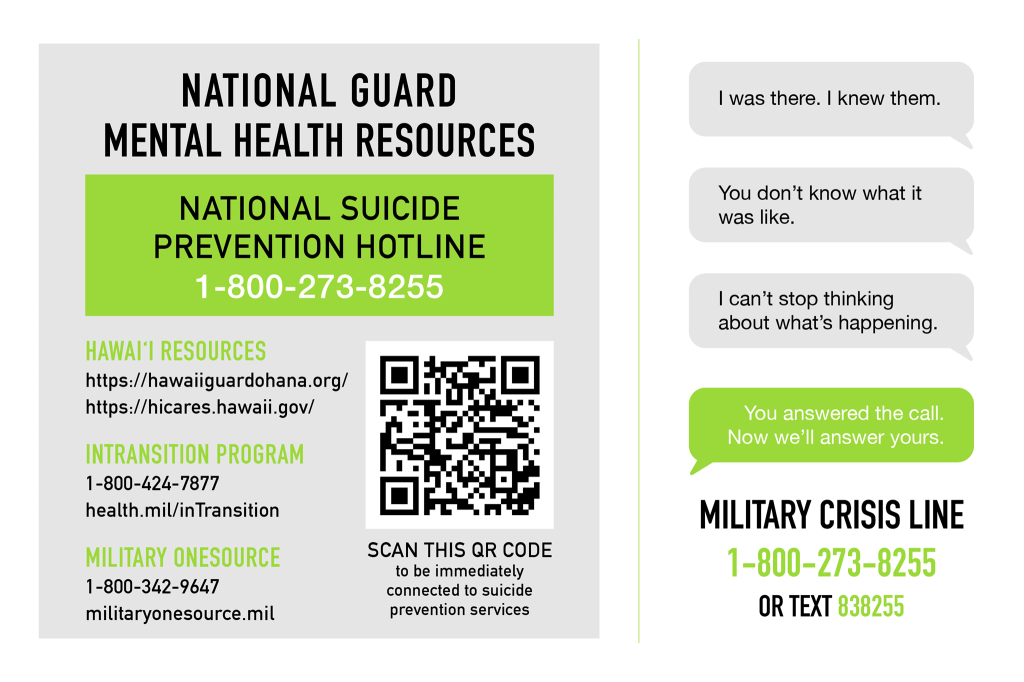
Current events in Afghanistan have left many in our community feeling understandably upset. The mental, physical and emotional wounds are deep. You may be wondering about the impact of your sacrifice and service, or the service of those who deployed there. You are not alone.
Remember that what’s happening now doesn’t minimize or negate the experiences of all who served there. Countless answered the call of duty and did what was asked of them. Service is never for naught. Think about the times when valor and courage changed lives for the better. Or, focus on the present and what feels meaningful to you in this moment.
If you’re feeling this way, it will take time to process your feelings. Talking can be very therapeutic, whether it’s to a local chaplain, psychologist or someone you served with in the military. Do what feels right for you.
There isn’t one way to think or feel or act. The important thing is to take advantage of available mental health care resources. Remember that this is one moment in time and regardless of what comes next, we are one ‘ohana and we are here for you.
More information: https://www.health.mil/…/In…/Talking-About-Afghanistan
From the Honolulu Magazine website

Here are the results of Frolic’s reader poll asking you to name your favorite Japanese delis.
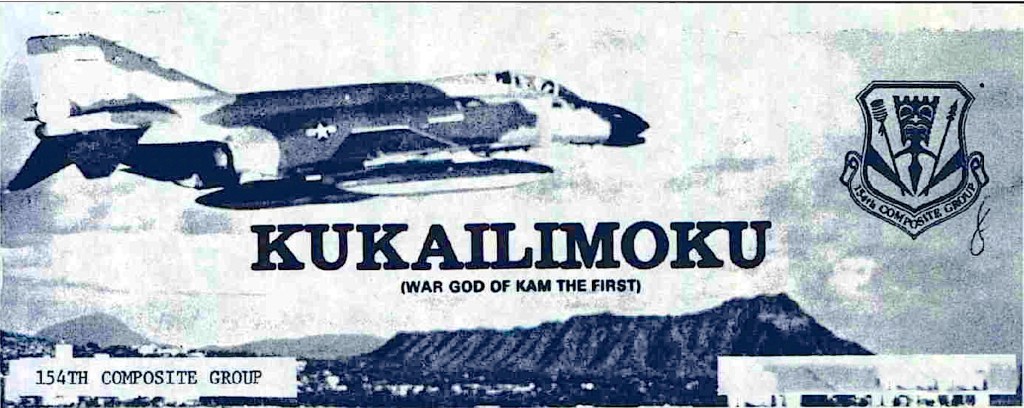
The Kūkā‘ilimoku is the official e-newsletter of the 154th Wing, Hawai’i Air National Guard. The first issue came in September 1957 and continues as a monthly newsletter today.
Today we feature the August 1979 Kūkā‘ilimoku issue. This issue includes the following stories:
* Lt. Col. James Lota retires
* Resource Management Roundup
* Brig. Gen. takes a F-4 Phantom orientation ride
* News From the 154th CAM Squadron

Permanent life insurance policies—like universal, variable and whole life—offer more than a death benefit. Some include cash value, which is a pool of money you can use while still alive.
If you’ve had a policy for years, the cash value could be considerable. “The accumulation could be more than you put in, and this opens up all kinds of options,” says Jonathan Howard, a certified financial planner with SeaCure Advisors in Lexington, Ky.
The cash value in permanent life insurance is your money, to be tapped as needed, but your options for doing so will depend on the type of policy and the carrier. Before doing anything, ask the insurer how much you can safely withdraw per year based on the cash value balance and policy terms. If you withdraw too much too early, the policy’s cash value could run out, forcing you to start paying more in premiums or have the coverage lapse.

From the Medical News Today website
According to the World Health OrganizationTrusted Source, cardiovascular diseases (CVD), which affect the heart and blood vessels, are the leading cause of death globally.
Family history and lifestyle factors such as smoking and an unhealthy diet are well-established risk factors for cardiovascular diseases, including coronary heart disease and stroke.
Besides a family history of CVD largely influenced by genetic predisposition, there is also evidence to show that family structure, especially birth order but not family size, can influence the risk of death due to cardiovascular conditions.
However, only a few studies have looked at the impact of family structure on nonfatal cardiovascular events.
A comprehensive understanding of the impact of family structure on CVD risk requires the inclusion of both fatal and nonfatal cardiovascular events.
A large observational study involving people aged 30–58 years at onset now shows that the number of siblings and birth order can influence the risk of total cardiovascular events over a 25-year follow-up period.

The Convair F-102 Delta Dagger was an American interceptor aircraft that was built as part of the backbone of the United States Air Force’s air defenses in the late 1950s. Entering service in 1956, its main purpose was to intercept invading Soviet strategic bomber fleets (primarily the Tupolev Tu-95) during the Cold War. Designed and manufactured by Convair, 1,000 F-102s were built. (Wikipedia)
Many of the F-102s were transferred from the active duty Air Force to the Air National Guard by the mid-to-late 1960s. The 199th Fighter Squadron flew Deuces from 1960-1976, when the conversion to the McDonnell Douglas F-4 Phantom II began.
Thanks to Randall Lum for assistance identifying the equipment in the photograph.
“The Missiles the are AIM 4 Falcon, training missile used for load training for load crew also the one laying on the ground are 2.75 (FFAR), folding fin aircraft rocket. “
The Airmen sitting on the aircraft wings are the weapons load crews. Unfortunately, we can not identify any of them because of the size of the photograph.
From the National Public Radio website

Health officials are preparing to roll out COVID-19 booster shots in the United States this September. According to a plan announced Wednesday, all U.S. adults who received a two-dose vaccine would be eligible for an additional jab of the Pfizer or Moderna vaccine eight months from when they got their second one.
“These booster shots are free,” President Biden said in remarks Wednesday afternoon encouraging people in the U.S. to get the shots when it’s their turn. “It will be easy. Just show your vaccination card, get a booster. … It will make you safer and for longer. And it will help us end the pandemic faster.”
The timing of the move comes as something of a surprise. It was just a few days ago that the FDA and CDC recommended a third shot of the Pfizer or Moderna vaccine for a more limited population — people who are moderately to severely immunocompromised. The agencies made no mention then of imminently expanding this recommendation to the wider population.
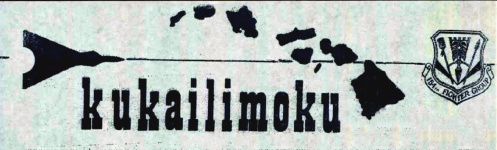
The Kūkā‘ilimoku is the official e-newsletter of the 154th Wing, Hawaii Air National Guard. The first issue came in September 1957 and continues as an e-newsletter today.
Today we feature the August 1964 Kūkā‘ilimoku issue. This issue includes the following stories:
* APPLECART 137 report
* Promotions: including Wallace Takasane, Stanley Woolaway
* ECI course completions: some familiar names
* General Military Training coming
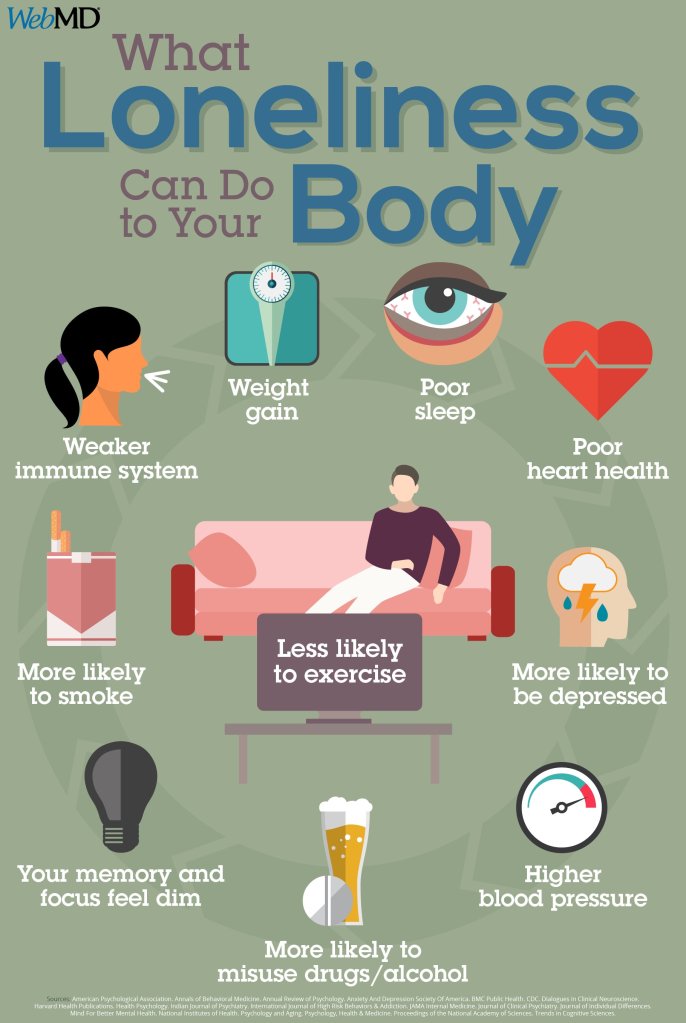
During this continuing coronavirus pandemic, loneliness increased as we became social isolated. Loneliness doesn’t just affect your mental health — it can take a physical toll. Steps you can take to overcome that:
Off the Hawaii Air National Guard Facebook page

The Hawai‘I Air National Guard is no stranger to producing individuals with extraordinary drive and determination.
We know that’s the case with former Staff Sgt. Gabriel Kealoha, whose service in the HIANG ‘Ohana began in 2008 with the 297th Air Traffic Control Squadron. In 2017 he was diagnosed with acute lymphoblastic leukemia and left service in February of 2020, when his cancer was considered terminal. By March, doctors told him that he might only have three months left.
Sixteen months later, Gabe is still fighting. Currently receiving a trial treatment in Seattle, Kealoha hopes that his prayers have been answered.
“At the very least, it’s extended my terminal diagnosis,” said Kealoha. “At best, it’s a cure.”
Since leaving the HIANG to seek treatment, Kealoha, a dedicated ninth grade teacher at Aiea High School continued to teach from his hospital bed. He, his wife Shannon, and countless family members and friends have worked tirelessly to sign up almost 7,000 people to be tested for bone marrow or plasma donation. Given Kealoha’s Native Hawaiian background it’s especially important to widen the pool of potential matches. The sentiment was echoed by Dwayne The Rock Johnson earlier this year, who shared Kealoha’s story after it was featured by KC Lund on Hawaii News Now.
“Less than 1% of the registry are Pacific Islanders,” said Shannon Kealoha. “If people don’t step up to save their own, then who will? We need more Hawaiians saving Hawaiians.”
Shannon, who also serves in the HIANG as a Tech. Sgt. paralegal with the 154th Wing’s Staff Judge Advocate, is currently teleworking from Seattle while caring for her husband and their 17-month-old daughter Lily. Kealoha’s recovery is not their only challenge; the COVID-19 pandemic continues to put lives like his at risk.
“It’s scary knowing I live without an immune system in the middle of a world-wide pandemic,” he says. “I’ve learned how important vaccinations, social distancing, and mask-wearing are to the at-risk populations. These practices help people like me, and my daughter Lily. The better our response to the COVID-19 challenges are, the safer it is for everyone.”
On Tuesday, August 10, 2021, Shannon was elated to announce that Gabe’s most recent test results showed that he was cancer free; the marrow transplant is, so far, a success. “The study he is in shows we have at least 3 more years, if not longer,” she said, provided that the cancer does not return.
While Gabe and Shannon celebrate the good news, we ask the HIANG ‘Ohana to keep them in your thoughts.
If you are interested in becoming a bone marrow or plasma donor, please visit www.KokuaGabe.com or check out Be The Match Hawaii. If you are Native Hawaiian or of Pacific Islander heritage, please pass along the Kealoha’s message to increase the odds of being able to save people like Gabe.

Cryptocurrency has headlined many news articles, served as the subject of social media posts, and gained significant traction in mainstream culture. Bitcoin, the first digital currency, has grown exponentially in recent years, with a total market capitalization growing from a modest $10 billion in July 2016 to over $1.1 trillion earlier this year.
If you’ve held on to your Bitcoin since then, you’ve obviously learned how to increase your net worth and now have a sizable unrealized capital gain in your portfolio. But what happens if you choose to convert this erstwhile investment into an actual currency used to buy goods and services?

The State of Hawaii Department of Defense produces a report of department activities each fiscal year. In 1998, Benjamin Cayetano was Hawaii’s governor and Maj. Gen. Edward Richardson served as the Adjutant General.
In the FY1998 Annual Report cover page, Maj. Gen. Ricardson reported these highlights for the Hawaii Army and Air National Guard.
In May, the Hawaii Army National Guard’s 29th Separate Infantry Brigade marked the 30th anniversary of the 1968 Vietnam call up. Throughout 1998, preparations continued for the brigade’s deployment to the Joint Readiness Training Center (JRTC) at Fort Polk, Louisiana. In June 199,, helicopters form the 103rd Troop Command were called into action several times during the year to assist civil authorities suppress raging brush fires on the Big Island, Molokai and Oahu.
The Hawaii Air National Guard’s 297th Air Traffic Control Suqadron deployed 30 members to Taszar, Hungary as part of Operation JOINT GUARD. The air traffic controllers, radar approach and maintenance personnel assisted the movement of U.S. forces in Bosnia-Hezegovina. the 203rd Air Refueling Squadron deployed KC-135 tankers to Aviano Air Base, Italy, where they refueling NATO aircraft patrolling the airspace over Bosnia-Hezagovina. The Hawaii Air National Guard also assisted with the relief operations on Guam, after the territory was struck by Typhoon Paka.
One section of the report lists the commanders of the Hawaii Army and Air National Guard units. The list has a lot of familiar names, most long retired. There are several units that were reorganized and others deactivated.

 Retiree News