click on photograph to enlarge
The Lockheed C-5 Galaxy is a large military transport aircraft originally designed and built by Lockheed, and now maintained and upgraded by its successor, Lockheed Martin. It provides the United States Air Force (USAF) with a heavy intercontinental-range strategic airlift capability, one that can carry outsize and oversize loads, including all air-certifiable cargo. The Galaxy has many similarities to its smaller Lockheed C-141 Starlifter predecessor, and the later Boeing C-17 Globemaster III. The C-5 is among the largest military aircraft in the world.
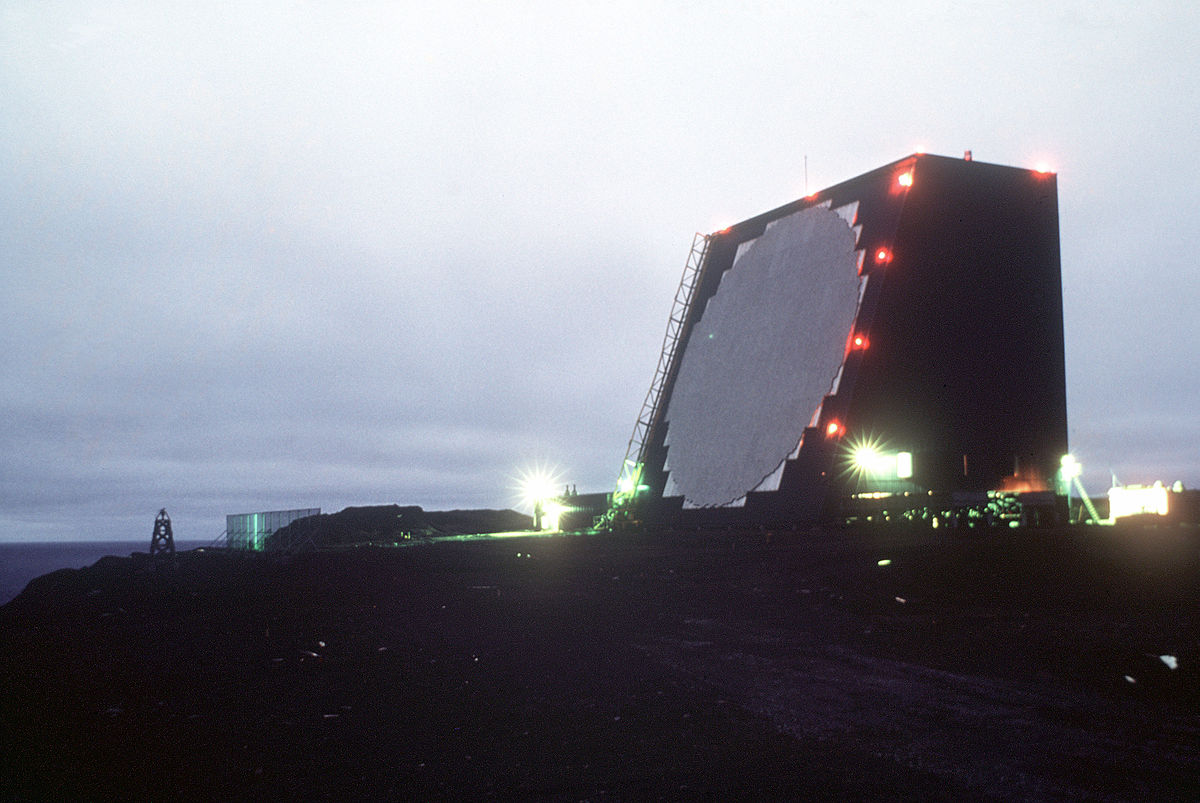
The U.S. military wants to install missile defense radar in Hawaii to identify any ballistic missiles that are fired from North Korea or elsewhere, officials said Tuesday.
The $1 billion system would spot warheads on missiles headed for Hawaii and other U.S. states, and provide that information to ground-based interceptors in Alaska designed to shoot them down. It would be able to distinguish warheads from decoys that are designed to trick missile defense systems.
From the Star Bulletin Archives website
 About 50 Hawaii National Guard troops were scheduled to arrive in Kula today to begin the task of clearing debris from flood-prone areas, including stream beds where a wall of water, logs and mud swept away a home and severely damaged another in early December.
About 20 Hawaii National Guard reservists from Oahu, along with heavy-equipment vehicles, arrived on Maui yesterday to assist in the cleanup. The group will be joining 30 National Guard troops from Maui.
The joint operation includes Hawaii Army and Air National Guard reservists called to active duty for at least three weeks.

The Army is taking a long, hard look at how it sells itself to potential recruits, including a possible new tagline.
“Army Strong” has been on the decline for the past few years, all but dropping out of recruiting commercials and posters. Now, according to the service’s top enlisted soldier, a replacement could be on the way.
“I think we’ve got to change our marketing strategy as an Army, and we’re taking a look at that now,” Sergeant Major of the Army Dan Dailey told reporters on Monday.
From the Everyday Health website
 Tinnitus isn’t a disease. Rather, it’s a sign that something’s wrong in the auditory system. (1) If that definition seems vague, it’s because many things can lead to tinnitus. “There are a lot of reasons why a person might have tinnitus, which is why it’s a symptom as opposed to an actual disorder itself,” says Kit Frank, an audiologist at New York University’s Langone Health in New York City.
According to the Centers for Disease Control and Prevention, about 15 percent of Americans experience tinnitus in some way. (2) Some may experience it as a result of losing their hearing, while for others it may be associated with a disease or even a side effect of taking certain medications. It’s usually not serious, but it can bother some people to the extent that it can make it difficult to work or sleep. (3)

This undated photograph shows Wallace Takasane and Kenneth Morimoto on the tarmac on the Diamond Head side of the hanger, Building 3400. The old civil engineering faculty and Battery Selfridge are in the background.
Their uniforms are the old style fatigues with blue and white name and US Air Force tapes. Chevrons on the sleeves are dark blue and silver. This probably dates this photograph in the late seventies or early eighties.
Did you know that since it’s introduction in 1954, there have been 54 modified variants of the C-130?
This one is called the EC-130H. It’s designed to disrupt enemy communications and limit their ability to coordinate. pic.twitter.com/bjzIMmLQyc
— Airman Magazine (@AirmanMagazine) June 16, 2018
 Did you get married or divorced recently? If so, you’ve experienced a TRICARE Qualifying Life Event (QLE). With TRICARE, QLEs are certain life changes, like moving, getting married or divorced, becoming Medicare-eligible, and more. These changes may trigger a change in your TRICARE eligibility and options.
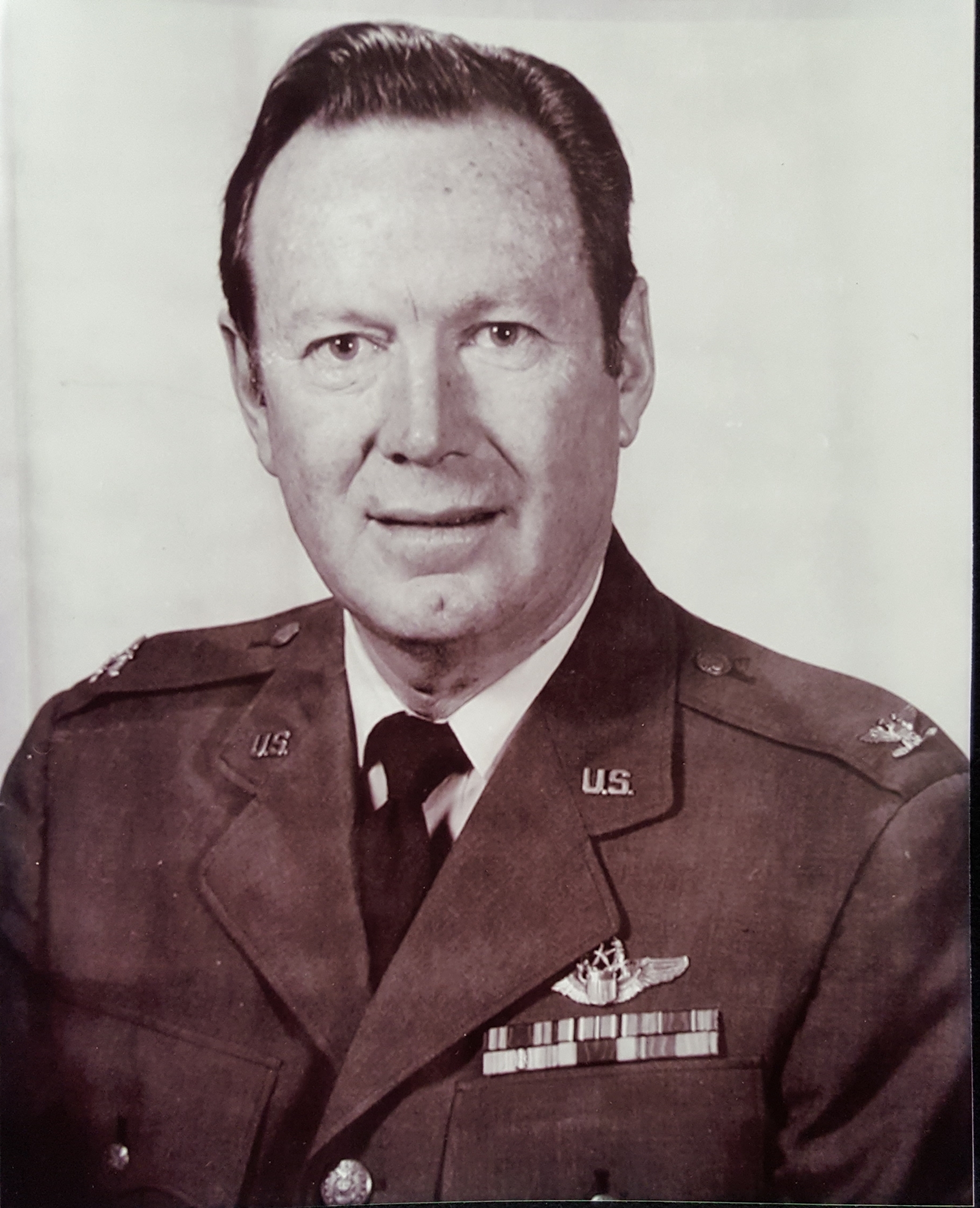 In accordance with his wishes, there will be no services or celebration of life for Robert “Bob” Maguire.
Yesterday, his ashes were scattered out of Hawaiian Airlines restored 1929 Bellanca CF monoplane. With his wife Judy on board, the Bellanca CF flew a route starting off shore by the Outrigger Canoe Club, and proceeding along the Kahala coast.
Bob Maguire was a great leader and pilot. After his retirement, he remained active with 199th Fighter Squadron social activities and attended the squadron’s monthly retiree luncheons.
Related: Earlier Retiree News post

Hawaiian Airlines started back in 1929 with an original fleet of two 8-seater Sikorsky aircraft and a Bellanca monoplane.
The Bellanca CF is an early enclosed high-wing monoplane designed by Giuseppe Mario Bellanca that led to a successful series of Bellanca aircraft.
click on photograph to enlarge
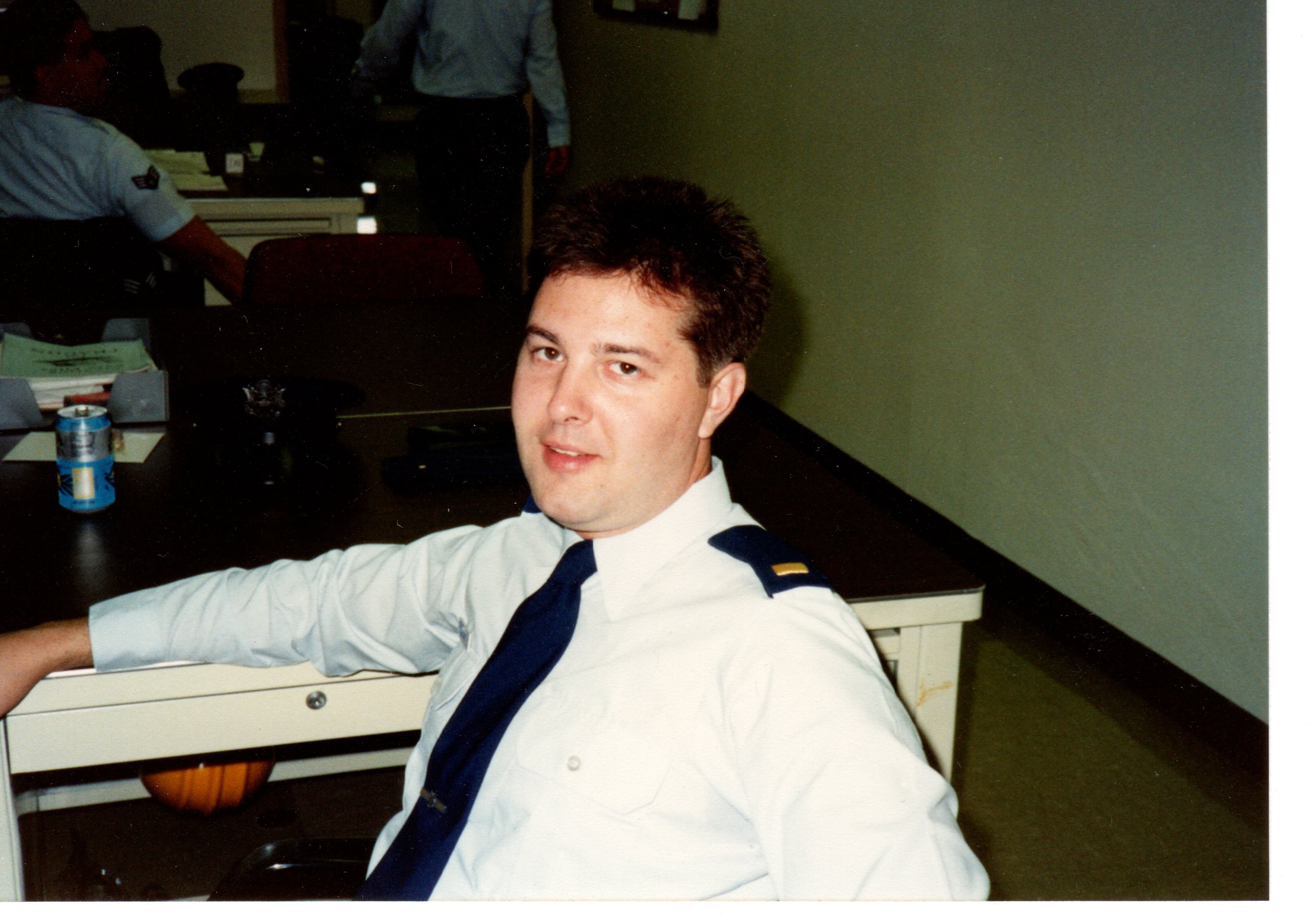
Aloha and Mahalo to Lt Col Charles Anthony, who is retiring from both the Hawaii Air National Guard and as a State employee, effective July 1, 2018. His last day will be this Friday.
Chuck started with the 201st Combat Communications Group in 1989. In 1992, he transferred to the then 154th Group. Chuck has served as the Department of Defense’s public affairs officer for almost than 24 years.
The photograph above was taken at a December 1991 when Chuck was assigned to the 201 CCG.
But Chuck is not really retiring. In mid-July, he will start as a Federal civilian at Joint Base Pearly Harbor-Hickam, serving as their public affairs officer. Know Chuck will do a great job there!

click on rendering to enlarge
A federal commission on Thursday approved a site on the National Mall for the future National Desert Storm and Desert Shield War Memorial after several months of debate over whether to choose another location along the Potomac River.
The U.S. Commission on Fine Arts voted to place it on one-quarter acre at the southwest corner of 23rd Street and Constitution Avenue, a decision celebrated by supporters who advocated for a spot on the National Mall during the three-year site selection process.
From the This Day in Aviation website
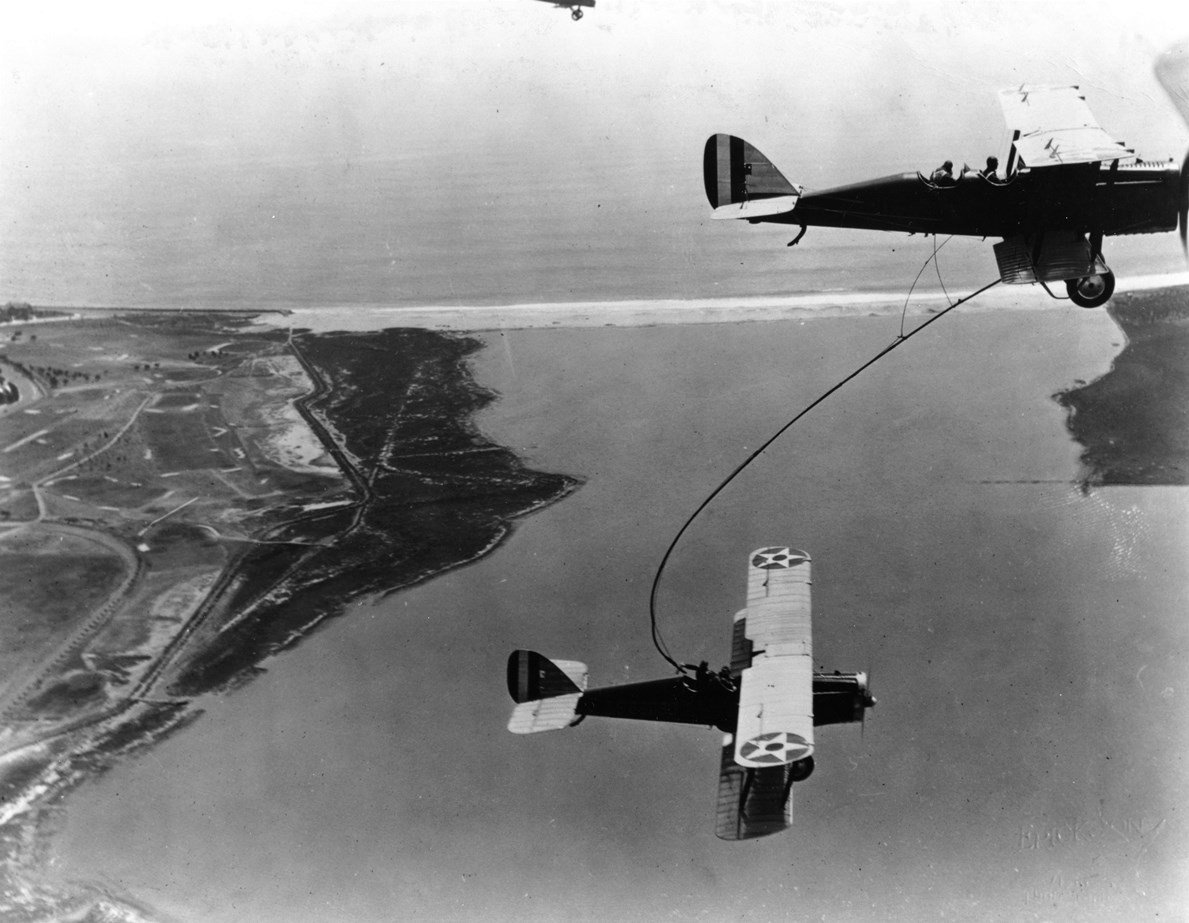
click on photograph to enlarge
The first successful aerial refueling took place on June 27, 1923, when a DH-4B, Air Service serial number 23-462, carrying Lieutenants Virgil S. Hine and Frank W. Seifert passed gasoline through a hose to another DH-4B which was flying beneath them carrying Lieutenants Lowell H. Smith and John P. Richter. Hine and Smith piloted their respective airplanes while Seifert and Richter handled the refueling. A 50 foot (15.24 meter) hose with manually-operated quick-acting valves at each end was used. During the refueling, 75 gallons (283.9 liters) of gasoline was passed from the tanker to the receiver.
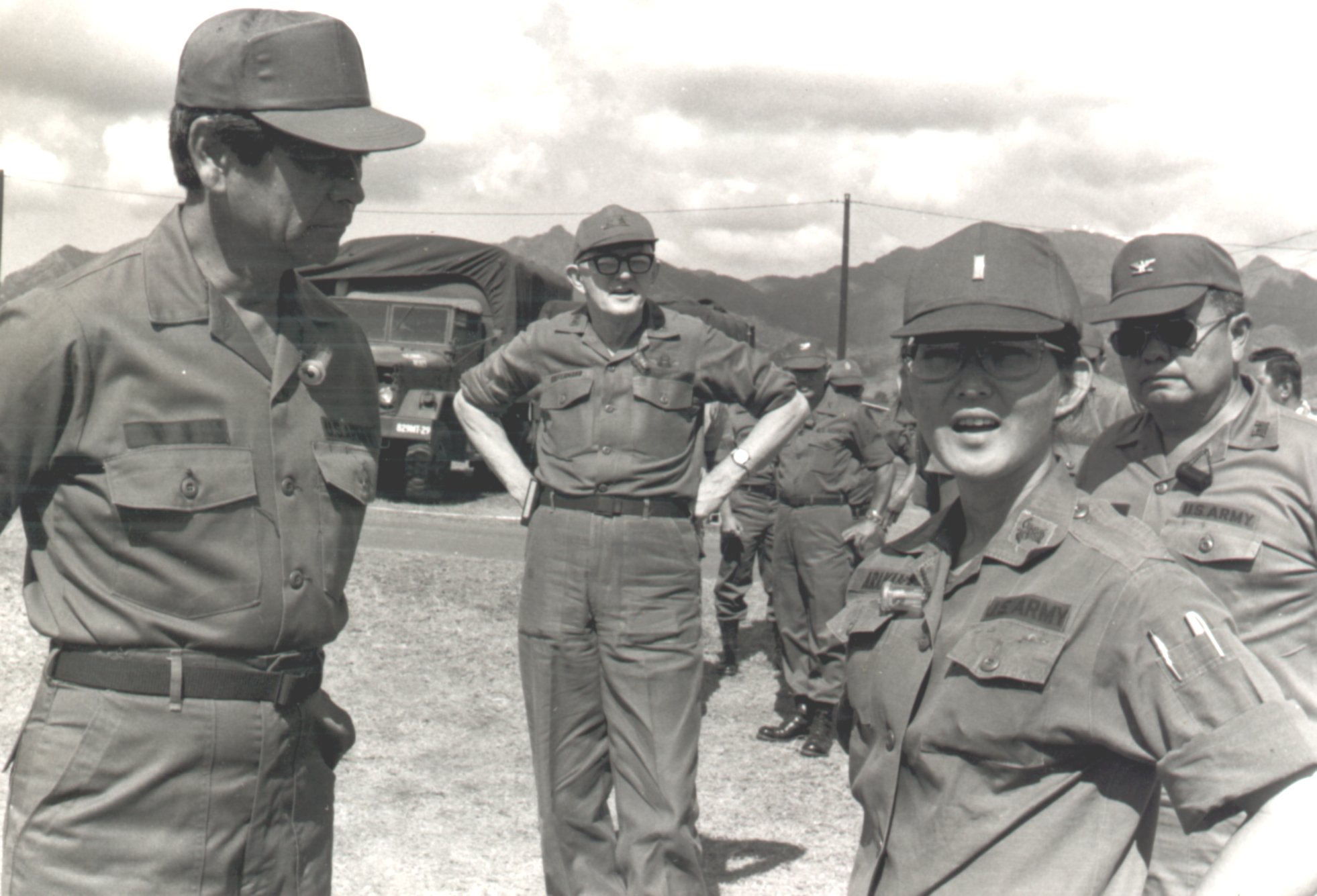
click on photograph to enlarge
This undated photograph shows Governor George Ariyoshi in his visit to the Hawaii Army National Guard during annual field training. In the photograph is (L-R): Governor Ariyoshi, Adjutant General Maj Gen Valentine Siefermann, then Lieutenant Clara (Arakara) Furabayashi, then COL Alexis Lum.

As our phones get faster and have better screens and more processing power, it’s natural that they gobble up more cellular data. An unlimited data plan can be a great fit for our data-hungry devices. However, keeping track of the ever-changing unlimited plans, prices and features can be frustrating. But that’s why we’re here.
Last year, the “unlimited data” wars heated up between the four major carriers in the US. Each one tried to outdo the others in terms of price and how much data you actually got. Unlimited data is kind of like a bottomless cup of coffee at a diner: At some point you’ll be cut off.
But to help make sense of what you actually get, we compared the unlimited plans from AT&T, Sprint, T-Mobile and Verizon and all the fine print that came with them.